Books
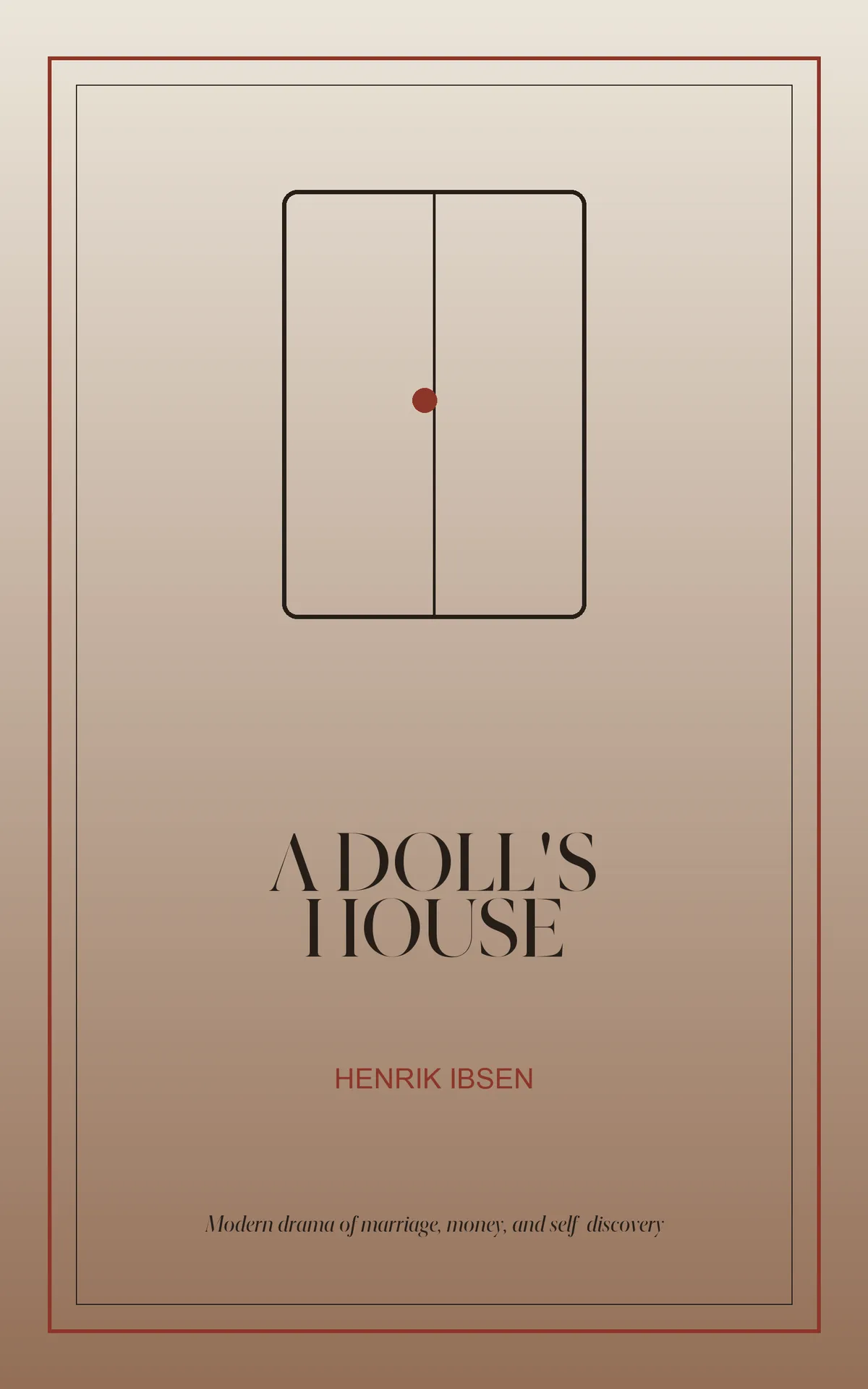
A Doll's House.
Henrik Ibsen’s breakthrough drama turns a bourgeois marriage into one of modern literature’s sharpest studies of freedom, performance, and self-respect.
Choose an edition



Tracked, signed-for delivery on every order
Send it back if it didn't land
Every book on the shelf has been read by at least one of us
Edition details
- Henrik Ibsen
- DotBooks
- DotBooks
- January 1879
- Paperback
- Standard white
- 185
- en
Pairs with this
About this book
A Doll’s House begins with the surfaces of comfort: a respectable home, holiday purchases, affectionate banter, and the reassuring rituals of middle-class marriage. Henrik Ibsen slowly turns that domestic setting into a stage for secrecy, financial pressure, moral hypocrisy, and the question of whether a life built around pleasing others can ever become fully one’s own.
Why read A Doll’s House today?
The play remains startling because its arguments still feel live. Ibsen writes with speed, compression, and theatrical precision, but the work’s real force comes from the way it exposes power inside ordinary speech. What looks like tenderness can become condescension; what sounds like duty can become control. Readers and theatergoers keep returning to the play because Nora’s final reckoning still lands as both personal crisis and social indictment.
What kind of classic is it?
This is one of the foundational dramas of modern realism: compact, performable, and endlessly discussable. It belongs not only to the history of theater, but also to the history of fiction and ideas about marriage, gender, and individual conscience.
Further context
Story preview
Tap to flip through the cover, snippets, and details.
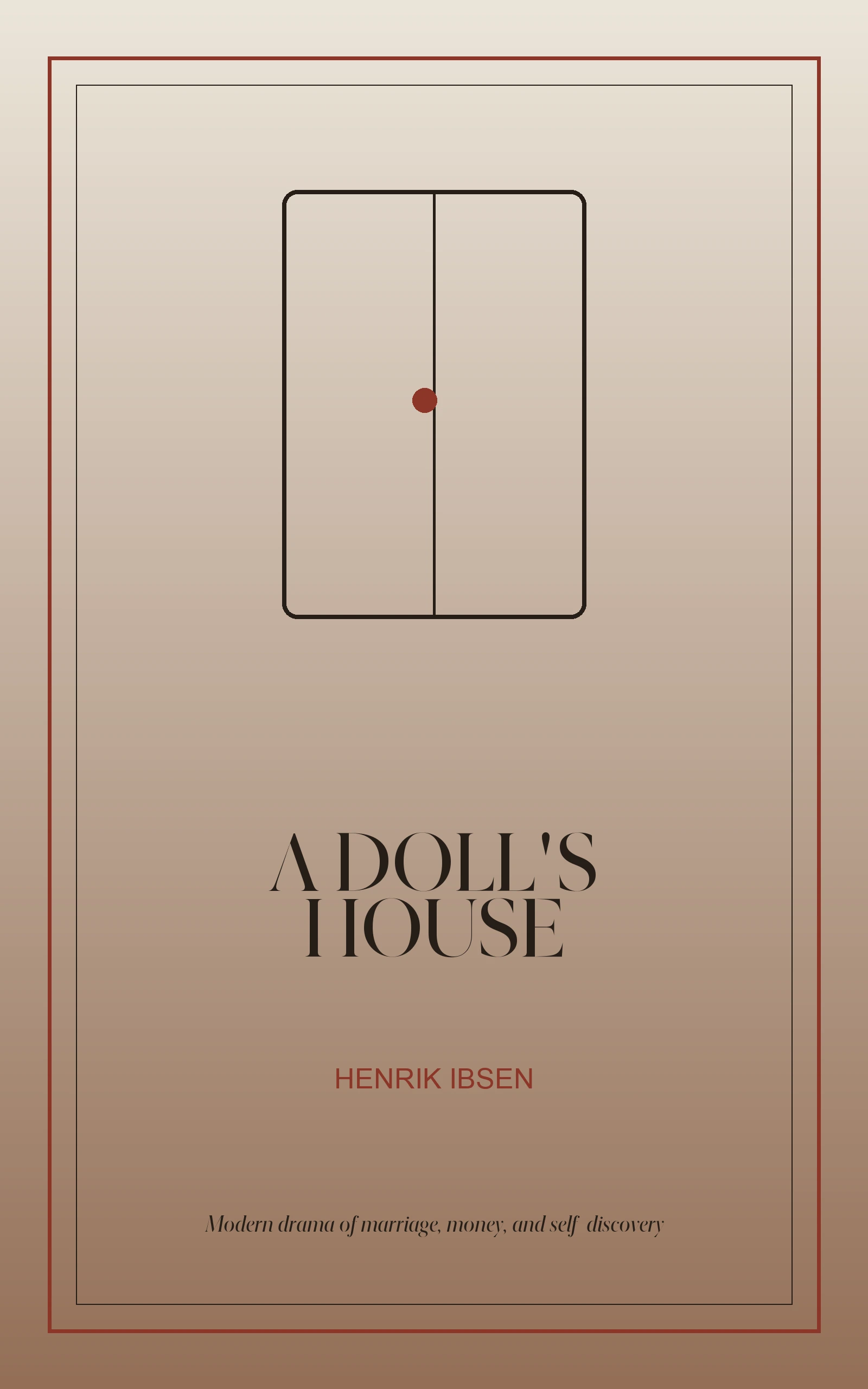 A Doll's House
You might also like
Readers who picked this also reached for.


Picking up where you left off